
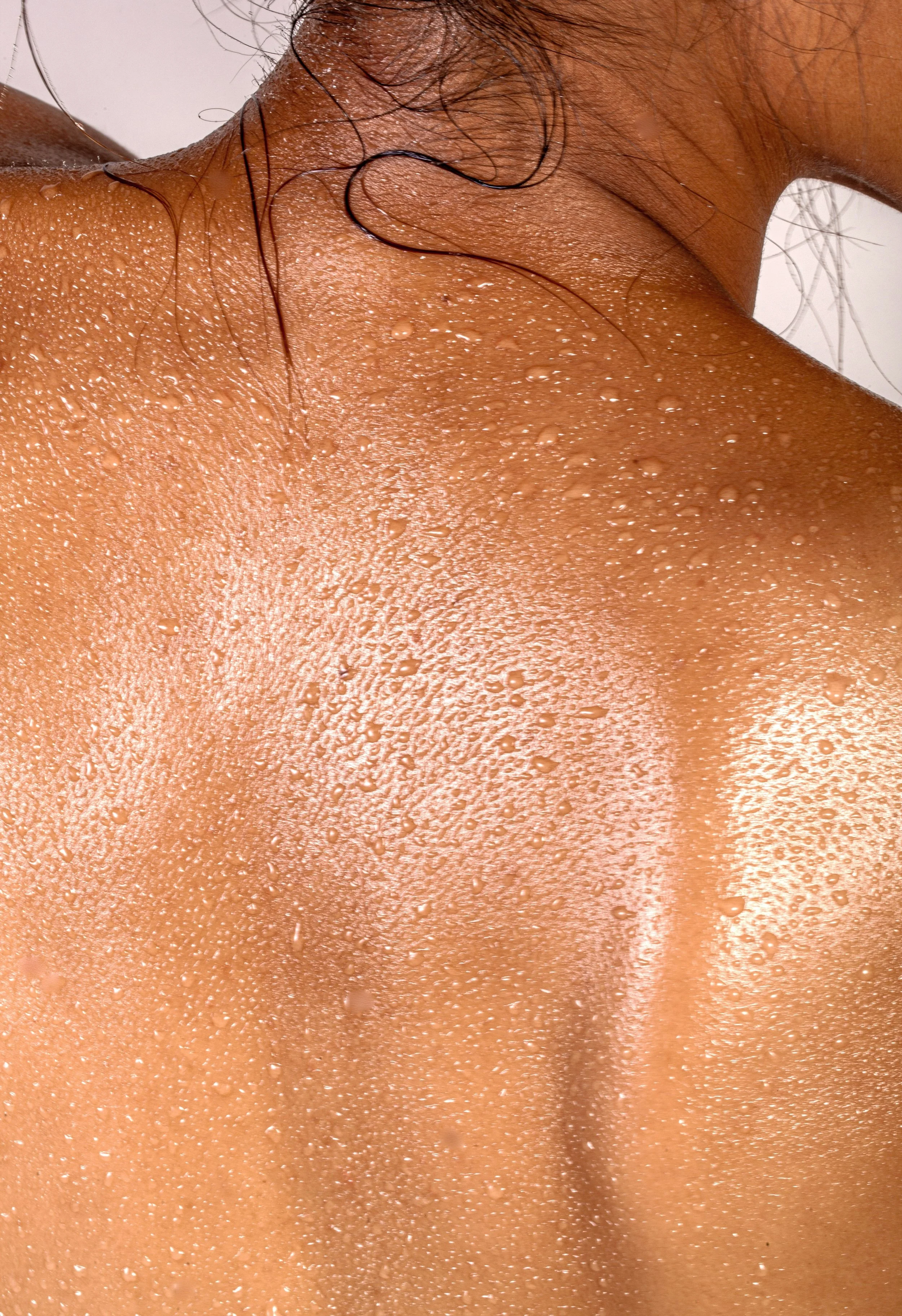
Acne, a common skin condition affecting millions worldwide, is characterized by the presence of pimples, blackheads, and whiteheads. While often associated with adolescence, acne can persist into adulthood and have a significant impact on self-esteem and quality of life. In this article, we explore the triggers of acne and discuss nutritional interventions that may aid in its treatment.
Causes of Acne
Hormonal Changes: Hormonal fluctuations play a significant role in the development of acne. During puberty, the body undergoes hormonal changes, particularly an increase in androgen hormones such as testosterone. These hormones stimulate the sebaceous glands, which are located beneath the skin's surface, to produce more sebum. Sebum is an oily substance that helps lubricate and protect the skin. However, when there is an excess of sebum production, it can mix with dead skin cells and other debris, leading to clogged pores. This environment creates a breeding ground for acne-causing bacteria, such as Propionibacterium acnes, to thrive. Hormonal changes associated with menstrual cycles, pregnancy, and certain medications can also trigger or exacerbate acne by influencing sebum production and skin cell turnover.
Excess Oil Production: Sebaceous glands are responsible for producing sebum, which is essential for keeping the skin moisturized and protected. However, when these glands become overactive, they can produce an excess amount of sebum, leading to oily skin and clogged pores. Several factors can contribute to increased sebum production, including hormonal imbalances, genetic predisposition, and environmental factors such as humidity and temperature. Excessive sebum production can create an environment where acne-causing bacteria thrive, leading to inflammation and the formation of acne lesions.
Bacteria and Inflammation: Propionibacterium acnes is a type of bacteria that naturally resides on the skin's surface. Under normal circumstances, these bacteria play a role in maintaining skin health. However, when pores become clogged with excess sebum, dead skin cells, and other debris, Propionibacterium acnes can multiply rapidly, leading to inflammation and the formation of acne lesions. The presence of these bacteria triggers an immune response in the body, resulting in redness, swelling, and the formation of pus-filled pimples. Inflammation is a key component of acne, as it contributes to the severity and duration of breakouts. In addition to bacterial activity, other factors such as hormonal fluctuations and dietary habits can also influence inflammation levels in the skin, further exacerbating acne symptoms.
By understanding the interplay between hormonal changes, excess oil production, bacterial activity, and inflammation, we can gain insights into the complex nature of acne development. While these factors contribute to the onset and persistence of acne, individual experiences may vary, and treatment approaches should be tailored to address specific concerns and underlying causes. Consulting with a dermatologist or healthcare professional can provide personalized guidance and treatment options to manage acne effectively.
The Role of Nutrition in Acne
While the relationship between diet and acne is complex and not fully understood, certain dietary factors may influence acne development and severity.
Foods that May Trigger Acne: High-glycemic foods, such as sugary snacks and refined carbohydrates, can cause spikes in blood sugar levels, leading to increased insulin production and inflammation, which may exacerbate acne. Dairy products contain hormones and growth factors that may influence oil production and skin cell turnover, potentially contributing to acne development in susceptible individuals. Additionally, some individuals may find that consuming certain foods, such as chocolate or greasy foods, worsens their acne symptoms, although scientific evidence for these associations is limited.
Nutrients that Support Healthy Skin: Adequate intake of certain nutrients is essential for maintaining healthy skin and may help mitigate acne symptoms. Antioxidants like vitamins A, C, and E play crucial roles in skin health. Vitamin A regulates skin cell turnover, reducing the risk of clogged pores, while vitamin C promotes collagen production, supporting skin structure and healing. Vitamin E acts as an antioxidant, protecting the skin from damage caused by free radicals, while zinc helps regulate sebum production and has anti-inflammatory properties. Omega-3 fatty acids, found in fatty fish like salmon and flaxseeds, may help reduce inflammation and promote overall skin health.
Nutritional Interventions for Acne Treatment
Incorporating specific dietary modifications and supplements into your routine may help manage acne symptoms.
Diet Modifications: Adopting a balanced diet rich in fruits, vegetables, whole grains, and lean proteins can provide essential nutrients that support skin health. Limiting the consumption of high-glycemic foods and dairy products may also be beneficial for some individuals with acne. Additionally, staying hydrated by drinking plenty of water can help maintain skin hydration and overall health.
Supplements: In addition to obtaining nutrients from food sources, supplements may be helpful in addressing nutritional deficiencies or supporting skin health. However, it's important to consult with a healthcare professional before starting any supplements, as excessive intake of certain nutrients can have adverse effects. Common supplements used for acne management include vitamin A, zinc, omega-3 fatty acids, and probiotics.
Lifestyle Factors and Acne
In addition to dietary considerations, several lifestyle factors can impact the development and severity of acne. Understanding and addressing these factors can play a crucial role in managing acne symptoms effectively.
1. Stress Management
Chronic stress is known to contribute to various health issues, including acne. When we experience stress, our bodies release cortisol, a hormone that can increase oil production in the skin and trigger inflammation, leading to acne flare-ups. Moreover, stress can disrupt hormonal balance, exacerbating hormonal acne. Practicing stress-reduction techniques such as mindfulness, meditation, deep breathing exercises, and yoga can help lower cortisol levels and promote relaxation. Engaging in regular physical activity, such as jogging, swimming, or dancing, can also help reduce stress and improve overall well-being, potentially reducing the severity of acne breakouts.
2. Skincare Routine
Establishing a consistent and suitable skincare routine is essential for managing acne-prone skin. Proper skincare practices can help prevent clogged pores, reduce inflammation, and minimize acne breakouts. Here are some key steps to include in your skincare routine:
Gentle Cleansing: Use a mild, non-comedogenic cleanser to wash your face twice daily, in the morning and evening. Avoid harsh cleansers that can strip the skin of its natural oils, as this can lead to increased oil production and exacerbate acne. Gently massage the cleanser onto damp skin, then rinse thoroughly with lukewarm water and pat dry with a clean towel.
Exfoliation: Regular exfoliation helps remove dead skin cells, unclog pores, and improve skin texture. Choose a gentle exfoliant with ingredients like salicylic acid or glycolic acid, which can penetrate the pores and dissolve excess oil and debris. However, avoid over-exfoliating, as this can irritate the skin and worsen acne. Limit exfoliation to 1-2 times per week, and be gentle when applying the product to avoid causing irritation.
Moisturizing: Even if you have oily or acne-prone skin, it's essential to moisturize to maintain skin hydration and prevent dryness. Choose a lightweight, oil-free moisturizer labeled as non-comedogenic, meaning it won't clog pores. Look for moisturizers containing ingredients like hyaluronic acid or glycerin, which hydrate the skin without adding excess oil. Apply moisturizer to clean, dry skin after cleansing, focusing on areas prone to dryness.
Sun Protection: Protecting your skin from the sun's harmful UV rays is crucial, especially when using acne treatments that can increase sensitivity to sunlight. Apply a broad-spectrum sunscreen with an SPF of 30 or higher every morning, even on cloudy days. Choose a non-comedogenic sunscreen that won't clog pores or exacerbate acne. Reapply sunscreen every 2 hours, or more frequently if swimming or sweating.
Avoiding Harsh Ingredients: Be cautious when using skincare products that contain harsh ingredients, such as alcohol, fragrances, and abrasive exfoliants. These can irritate the skin, strip its natural oils, and exacerbate acne. Opt for products labeled as non-comedogenic and formulated for sensitive or acne-prone skin.
By incorporating these lifestyle modifications and adopting a tailored skincare routine, you can help manage acne symptoms effectively and promote healthier, clearer skin. Remember to be patient and consistent with your skincare regimen, as it may take time to see improvement. If acne persists or worsens despite these measures, consult a dermatologist for personalized treatment recommendations and further evaluation.
FAQ
Below are answers to some of the most frequently asked questions on acne triggers and nutritional interventions.
1. What are the common triggers of acne?
Acne can be triggered by various factors, including hormonal changes, excess oil production, bacteria, inflammation, certain medications, and genetic predisposition. Hormonal fluctuations, particularly during puberty, menstrual cycles, pregnancy, and certain medications, can stimulate the sebaceous glands to produce more oil, leading to clogged pores. Additionally, dietary factors such as high-glycemic foods and dairy products may exacerbate acne symptoms in some individuals.
2. How does diet affect acne?
While the relationship between diet and acne is complex and not fully understood, certain dietary factors may influence acne development and severity. High-glycemic foods, sugary snacks, and dairy products have been associated with increased acne symptoms in some individuals. On the other hand, consuming a balanced diet rich in fruits, vegetables, whole grains, and lean proteins, along with staying hydrated, may support skin health and help manage acne symptoms.
3. What nutrients are beneficial for skin health and acne treatment?
Several nutrients play crucial roles in supporting skin health and may help mitigate acne symptoms. Antioxidants like vitamins A, C, and E help regulate skin cell turnover, promote collagen production, and protect the skin from oxidative damage. Zinc helps regulate sebum production and has anti-inflammatory properties, while omega-3 fatty acids may help reduce inflammation and support overall skin health.
4. Are there any lifestyle factors that can worsen acne?
Yes, certain lifestyle factors can exacerbate acne symptoms. Chronic stress can increase inflammation and hormonal imbalances, potentially worsening acne breakouts. Poor skincare habits, such as using harsh products or not cleansing the skin regularly, can also contribute to clogged pores and acne development. Additionally, environmental factors like humidity and pollution can aggravate acne-prone skin.
5. What skincare routine is recommended for acne-prone skin?
For acne-prone skin, it's important to establish a gentle and consistent skincare routine. This may include using a mild cleanser twice daily to remove dirt, oil, and makeup without stripping the skin of its natural oils. Exfoliating once or twice a week with a gentle exfoliant can help remove dead skin cells and prevent clogged pores. Using non-comedogenic moisturizers and sunscreen can help hydrate and protect the skin without clogging pores.
6. When should I seek professional help for acne treatment?
If over-the-counter acne treatments and lifestyle modifications do not effectively manage your acne symptoms, or if your acne is severe, persistent, or causing emotional distress, it may be time to seek professional help. A dermatologist can provide personalized advice, prescribe medication or topical treatments, and recommend procedures such as chemical peels or laser therapy to help manage acne and improve skin health.
Summing Up: What Triggers Acne and Nutritional Interventions
Acne is a common skin condition with various triggers, including hormonal changes, excess oil production, and bacterial activity. While the relationship between diet and acne is complex, certain dietary factors may influence acne development and severity. Incorporating nutrient-rich foods and supplements into your diet, along with adopting stress-reduction techniques and maintaining a consistent skincare routine, can help manage acne symptoms and promote healthier skin. Remember to consult with a healthcare professional for personalized advice and treatment recommendations tailored to your specific needs.