
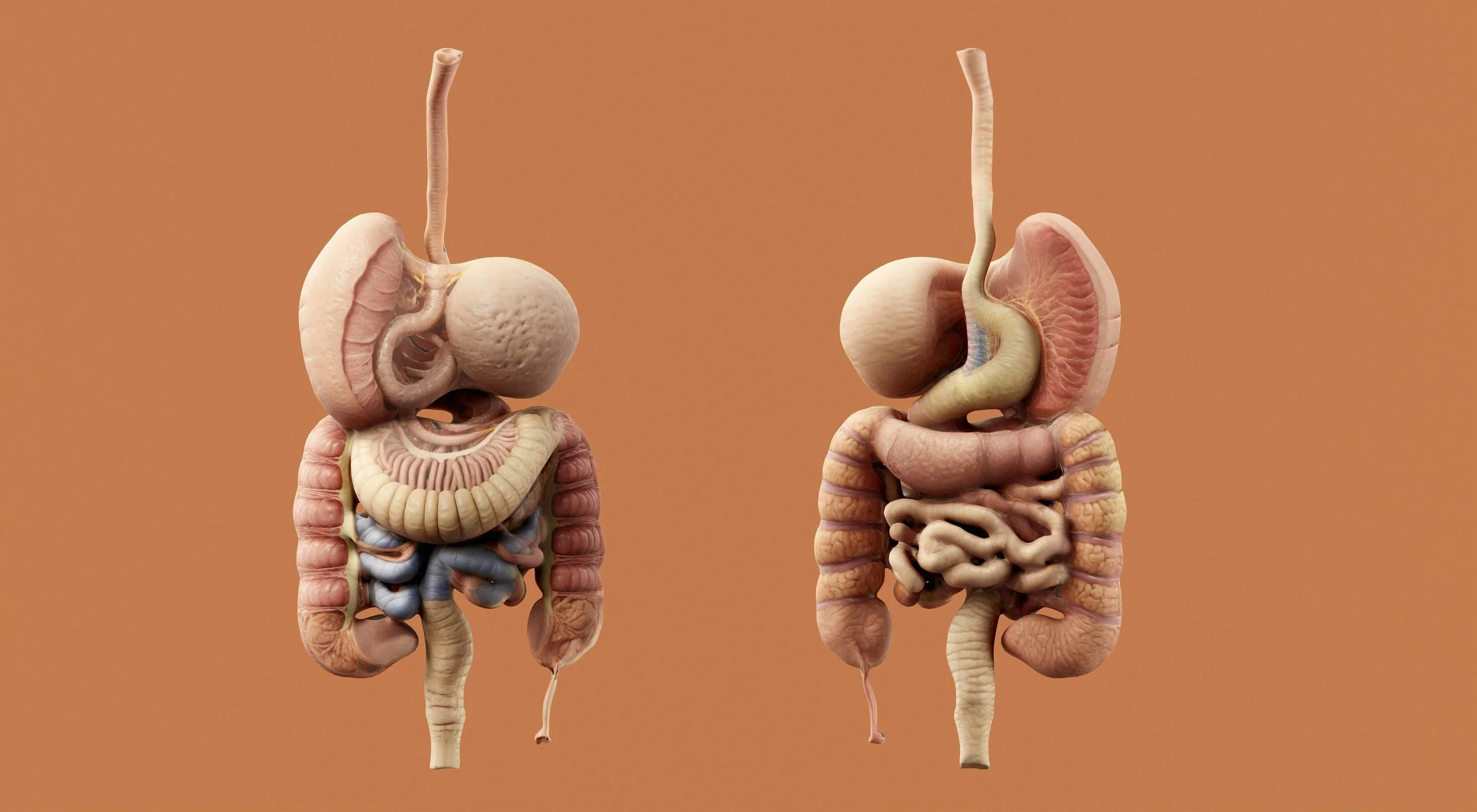
Inflammatory bowel conditions, encompassing Crohn's disease and ulcerative colitis, are chronic inflammatory disorders of the digestive tract. These conditions, while differing in their specific manifestations, share a common theme of inflammation that can significantly impact a person's quality of life. While medical treatments are crucial in managing symptoms and controlling inflammation, nutrition interventions also play a pivotal role in helping individuals effectively manage their condition.
What is The Inflammatory Bowel Condition?
Inflammatory bowel conditions, collectively known as IBD, represent a complex interplay of genetic predisposition, environmental factors, and dysregulation of the immune system. Crohn's disease can affect any part of the gastrointestinal tract, from the mouth to the anus, and often involves all layers of the intestinal wall. Ulcerative colitis, on the other hand, primarily affects the colon and rectum, causing inflammation and ulcers in the lining of the colon.
Symptoms of IBD
Symptoms of inflammatory bowel conditions (IBD) can vary widely among individuals and may manifest differently depending on the specific type of IBD and the extent of inflammation in the digestive tract. The hallmark symptoms of IBD typically include abdominal pain, which can range from mild discomfort to severe cramping, often localized in the lower abdomen. This pain may be accompanied by bloating and a feeling of fullness.
Another common symptom of IBD is diarrhea, which can be persistent and may contain blood or mucus. Diarrhea can lead to dehydration and electrolyte imbalances if not properly managed. Rectal bleeding is also a frequent occurrence in individuals with IBD, particularly in cases of ulcerative colitis, where inflammation and ulceration of the colon lining can cause bleeding during bowel movements.
Weight loss is a common consequence of IBD, often resulting from decreased appetite, malabsorption of nutrients, and increased energy expenditure due to inflammation and the body's efforts to combat the disease. Fatigue is another prevalent symptom, which can be attributed to various factors including anemia resulting from blood loss, nutritional deficiencies, disrupted sleep patterns due to pain or frequent bowel movements, and the overall burden of living with a chronic illness.
In addition to these primary symptoms, individuals with IBD may experience systemic symptoms such as fever, which can occur during disease flares or as a result of complications such as infections. Severe cases of IBD can lead to complications such as intestinal strictures, which are narrowed segments of the intestine that can obstruct the passage of food and stool, causing abdominal pain and bowel obstruction. Fistulas, abnormal connections between different parts of the intestine or between the intestine and other organs, can also develop, leading to symptoms such as drainage of pus or feces through the skin near the anus or into other organs.
Abscesses, localized collections of pus within tissues, may form as a result of inflammation and infection in the digestive tract, causing pain, swelling, and fever. These abscesses may require drainage and antibiotic treatment. Malnutrition is a significant concern in individuals with IBD, particularly during periods of active disease or prolonged flare-ups, when nutrient absorption may be impaired due to inflammation and damage to the intestinal lining. Malnutrition can further exacerbate symptoms and impair overall health and well-being, highlighting the importance of nutritional support and monitoring in the management of IBD.
Role of Nutrition in Managing Inflammatory Bowel Conditions
Nutrition plays a multifaceted role in managing inflammatory bowel conditions by supporting overall health, modulating the immune response, and alleviating symptoms associated with the disease. A well-balanced diet can help reduce inflammation, provide essential nutrients, promote healing of the intestinal mucosa, and support the gut microbiota.
For individuals with inflammatory bowel conditions, adopting a dietary approach that minimizes symptom exacerbation and promotes intestinal health is crucial. While there is no one-size-fits-all diet for IBD, certain dietary patterns and specific nutrients have been shown to be beneficial in managing symptoms and improving quality of life.
Specific Nutrition Interventions
1. Low-FODMAP Diet: FODMAPs, which stands for Fermentable Oligosaccharides, Disaccharides, Monosaccharides, and Polyols, are certain types of carbohydrates that are poorly absorbed in the small intestine and fermented by gut bacteria, leading to symptoms such as gas, bloating, abdominal pain, and diarrhea. Following a low-FODMAP diet involves reducing the intake of foods high in these fermentable carbohydrates, such as certain fruits, vegetables, grains, and dairy products. While not suitable for everyone, a low-FODMAP diet may help alleviate symptoms in some individuals with IBD, particularly those with functional gut disorders like irritable bowel syndrome (IBS) that often coexist with IBD.
2. Elemental Diet: During flare-ups or in cases of severe inflammation, an elemental diet may be recommended. An elemental diet consists of predigested nutrients in liquid form, which are readily absorbed in the small intestine without requiring significant digestion. By providing essential nutrition while minimizing gastrointestinal irritation, an elemental diet can help promote healing of the intestinal mucosa and reduce symptoms in individuals with active disease.
3. Probiotics and Prebiotics: Probiotics are live microorganisms that confer health benefits when consumed in adequate amounts, primarily by modulating the composition and activity of the gut microbiota. Prebiotics, on the other hand, are non-digestible fibers that serve as a food source for beneficial bacteria in the gut. Both probiotics and prebiotics can help promote a healthy balance of gut bacteria, enhance gut barrier function, and modulate the immune response. Probiotic-rich foods include yogurt, kefir, sauerkraut, kimchi, and kombucha, while prebiotic foods include garlic, onions, leeks, asparagus, bananas, and whole grains.
4. Anti-inflammatory Foods and Supplements: Certain foods and supplements have been shown to have anti-inflammatory properties and may help reduce inflammation in the digestive tract. Omega-3 fatty acids, found in fatty fish such as salmon, mackerel, and sardines, have been shown to have anti-inflammatory effects and may help reduce inflammation in individuals with IBD. Turmeric, a spice derived from the turmeric plant, contains curcumin, a compound with potent anti-inflammatory properties. Ginger, another spice with anti-inflammatory effects, may help alleviate symptoms such as nausea and abdominal pain in individuals with IBD. Additionally, certain herbs and botanicals, such as Boswellia serrata and aloe vera, have been studied for their potential anti-inflammatory effects in IBD.
Tips for Managing Diet and Lifestyle
In addition to specific nutrition interventions, there are several tips that can help individuals with inflammatory bowel conditions manage their diet and lifestyle effectively:
1. Meal Planning and Portion Control: Planning meals ahead of time and practicing portion control can help prevent overeating and minimize discomfort. Eating smaller, more frequent meals throughout the day, rather than three large meals, may also help reduce symptoms such as bloating and abdominal pain.
2. Hydration: Staying hydrated is essential for overall health and can help prevent dehydration, especially during episodes of diarrhea. Drinking plenty of fluids, such as water, herbal tea, and electrolyte-rich beverages, can help maintain hydration and electrolyte balance.
3. Stress Management: Stress can exacerbate symptoms of inflammatory bowel conditions, so finding effective stress management techniques is important. Practices such as mindfulness meditation, deep breathing exercises, yoga, tai chi, and progressive muscle relaxation can help reduce stress levels and promote relaxation.
4. Regular Physical Activity: Engaging in regular physical activity can have numerous benefits for individuals with inflammatory bowel conditions, including improved digestion, reduced inflammation, enhanced mood, and better overall health. Aim for at least 30 minutes of moderate-intensity exercise, such as brisk walking, cycling, swimming, or dancing, on most days of the week.
Frequently Asked Questions
Below are answers to some of the most frequently asked questions on inflammatory bowel conditions.
1. What are the main symptoms of inflammatory bowel conditions?
Inflammatory bowel conditions, such as Crohn's disease and ulcerative colitis, can cause a variety of symptoms, including abdominal pain, diarrhea, rectal bleeding, weight loss, fatigue, and fever. Individuals may also experience symptoms such as nausea, vomiting, bloating, and loss of appetite. Symptoms can vary in severity and may come and go in episodes known as flare-ups.
2. Is there a specific diet that is recommended for individuals with inflammatory bowel conditions?
There is no one-size-fits-all diet for inflammatory bowel conditions, as individual responses to different foods can vary widely. However, certain dietary patterns and specific nutrition interventions may help alleviate symptoms and improve overall well-being. These may include a low-FODMAP diet, elemental diet during flare-ups, inclusion of probiotics and prebiotics, consumption of anti-inflammatory foods and supplements, and careful meal planning and portion control.
3. Are there any foods that should be avoided by individuals with inflammatory bowel conditions?
While specific trigger foods can vary among individuals, there are some common dietary culprits that may exacerbate symptoms in people with inflammatory bowel conditions. These may include high-fiber foods, spicy foods, fatty foods, dairy products, caffeine, alcohol, and certain raw fruits and vegetables. Keeping a food diary and paying attention to how different foods affect symptoms can help identify personal trigger foods.
4. Can nutritional deficiencies occur in individuals with inflammatory bowel conditions?
Yes, individuals with inflammatory bowel conditions are at an increased risk of nutritional deficiencies due to malabsorption, decreased appetite, and increased nutrient losses from diarrhea. Common nutritional deficiencies in IBD may include vitamin D, vitamin B12, iron, calcium, magnesium, zinc, and folate. Regular monitoring of nutritional status and supplementation may be necessary to address deficiencies and prevent complications.
5. Are there any lifestyle factors that can exacerbate symptoms of inflammatory bowel conditions?
Yes, several lifestyle factors can worsen symptoms and trigger flare-ups in individuals with inflammatory bowel conditions. These may include stress, smoking, lack of sleep, sedentary behavior, and certain medications. Managing stress through relaxation techniques, getting regular exercise, maintaining a healthy sleep schedule, and avoiding smoking can help reduce the risk of flare-ups and improve overall well-being.
6. Can nutritional interventions alone effectively manage inflammatory bowel conditions?
While nutrition interventions play an important role in managing inflammatory bowel conditions and alleviating symptoms, they are typically used as part of a comprehensive treatment approach that may also include medications, lifestyle modifications, and, in some cases, surgery. It's important for individuals with inflammatory bowel conditions to work closely with a healthcare team, including gastroenterologists, dietitians or nutritionists, and other specialists, to develop a personalized treatment plan that addresses their unique needs and goals.
Summing Up: Inflammatory Bowel Conditions
Inflammatory bowel conditions can have a significant impact on an individual's quality of life, but with proper nutrition interventions and lifestyle modifications, symptoms can be effectively managed, and overall well-being can be improved. It's important for individuals with these conditions to work closely with healthcare professionals, including registered dietitians or nutritionists, to develop a personalized nutrition plan that meets their unique needs and preferences. By adopting a holistic approach to managing diet and lifestyle, individuals with inflammatory bowel conditions can achieve better symptom control, reduce the risk of complications, and enhance their overall quality of life. As research in the field of nutrition and inflammatory bowel conditions continues to evolve, there is hope for continued improvement in the management and treatment of these challenging conditions.
Disclaimer
Inflammatory Bowel Disease is a complex and advanced condition, we strongly recommend working with a nutrition practitioner before implementing new dietary strategies and to also to always let your Doctor know of changes in your health.