
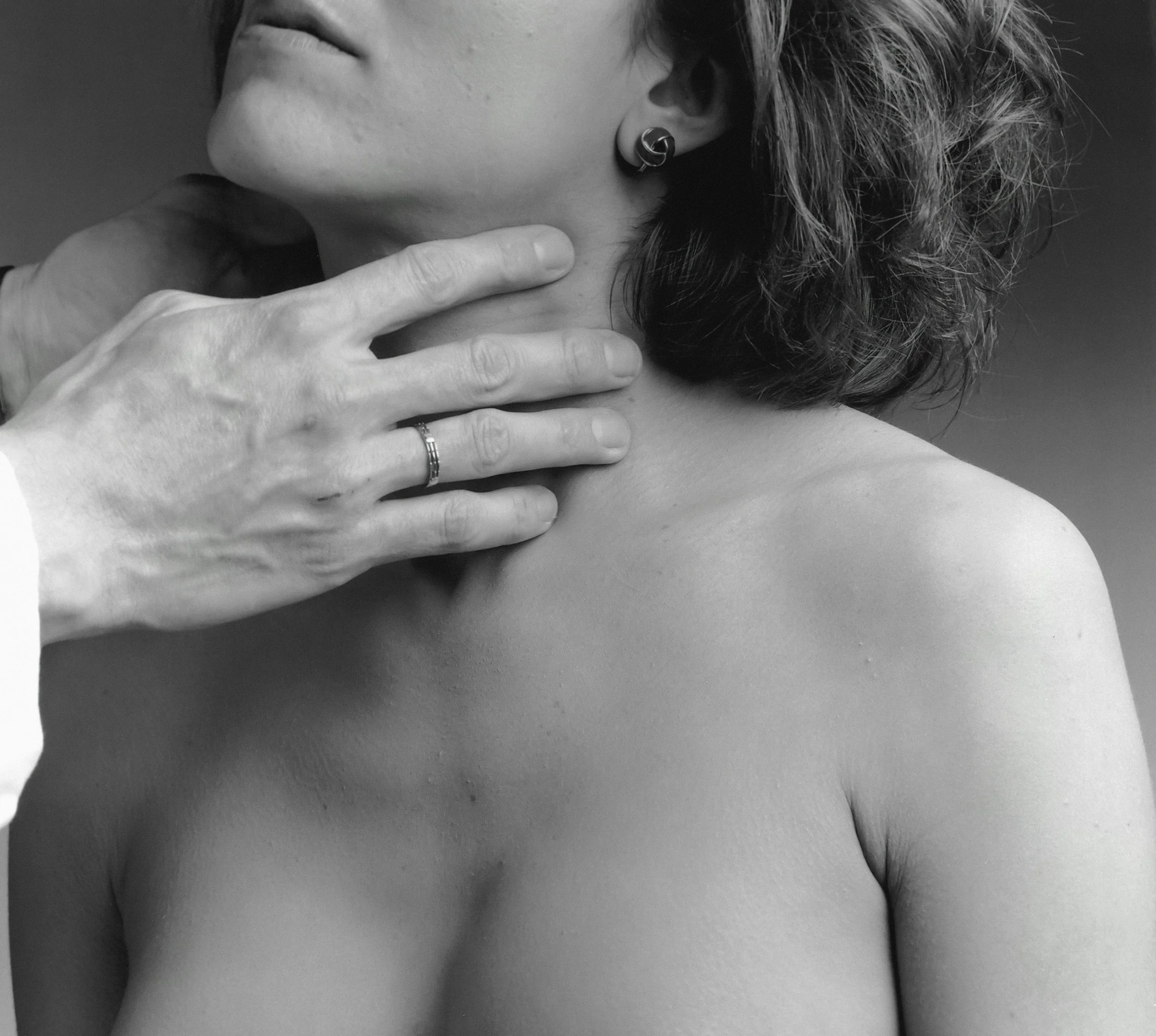
Hypothyroidism, a condition where the thyroid gland doesn't produce enough hormones, can significantly impact one's quality of life. Alongside medical treatment, adopting a suitable diet and lifestyle can help manage symptoms and promote overall well-being. Understanding the symptoms of hypothyroidism is crucial in tailoring your dietary choices to support your health.
Symptoms of Hypothyroidism
1. Fatigue and Weakness: Individuals with hypothyroidism often experience persistent tiredness and weakness, even after adequate rest. This fatigue can interfere with daily activities and affect productivity.
2. Weight Gain: Unexplained weight gain or difficulty losing weight is a common symptom of hypothyroidism, attributed to a slower metabolism. Despite efforts to maintain a healthy weight through diet and exercise, weight management can be challenging for those with hypothyroidism.
3. Cold Intolerance: Feeling excessively cold, particularly in the extremities, can be a symptom of hypothyroidism due to its effect on regulating body temperature. Layering clothing and ensuring a warm environment can help alleviate discomfort.
4. Constipation: Hypothyroidism can slow down digestive processes, leading to constipation and discomfort. Increasing fiber intake through fruits, vegetables, and whole grains can help regulate bowel movements.
5. Dry Skin and Hair: Insufficient thyroid hormones can result in dry, flaky skin and brittle hair, causing irritation and cosmetic concerns. Using moisturizers and gentle hair care products can help alleviate these symptoms.
6. Muscle Aches and Stiffness: Muscle pain and stiffness, often mistaken for signs of aging or overexertion, can be indicative of hypothyroidism. Gentle stretching exercises and warm baths can help relieve muscle tension.
7. Mood Changes: Depression, irritability, and anxiety are common psychological symptoms associated with hypothyroidism. Seeking support from loved ones and mental health professionals can be beneficial in managing mood fluctuations.
Dietary Recommendations for Hypothyroidism
1. Foods to Include
a. Iodine-rich Foods: Incorporate iodine-rich foods like seaweed, iodized salt, and seafood, as iodine is essential for thyroid hormone production. However, avoid excessive iodine intake, as it can worsen thyroid function in some cases.
b. Selenium-rich Foods: Brazil nuts, tuna, and sunflower seeds are excellent sources of selenium, a mineral that supports thyroid function. Selenium also has antioxidant properties that help reduce inflammation in the body.
c. Zinc-rich Foods: Foods such as beef, pumpkin seeds, and lentils contain zinc, which aids in thyroid hormone synthesis and supports immune function. Including zinc-rich foods in your diet can help maintain thyroid health.
d. Iron-rich Foods: Consume iron-rich foods like lean meats, spinach, and lentils to prevent iron deficiency, which can worsen hypothyroid symptoms. Iron is essential for transporting oxygen throughout the body and supporting energy levels.
e. Fiber-rich Foods: Include plenty of fruits, vegetables, and whole grains to maintain digestive health and alleviate constipation. Fiber also helps regulate blood sugar levels and promotes satiety, which can aid in weight management.
f. Protein-rich Foods: Incorporate lean proteins like poultry, fish, tofu, and beans to support muscle strength and repair. Protein is essential for tissue maintenance and immune function, particularly during periods of stress or illness.
2. Foods to Limit or Avoid
a. Goitrogenic Foods: Limit intake of goitrogenic foods such as cabbage, broccoli, and soy products, as they may interfere with thyroid function when consumed in large amounts. Cooking these foods can help reduce their goitrogenic properties.
b. Highly Processed Foods: Reduce consumption of processed foods high in refined sugars and unhealthy fats, as they contribute to inflammation and can disrupt hormonal balance. Opt for whole, nutrient-dense foods whenever possible.
c. Excessive Caffeine and Alcohol: Limit caffeine intake, as it can interfere with thyroid medication absorption, and moderate alcohol consumption, which can exacerbate thyroid dysfunction. Choose decaffeinated beverages and limit alcohol consumption to support thyroid health.
Meal Ideas for Hypothyroidism
1. Breakfast Options
a. Oatmeal topped with mixed berries and a sprinkle of pumpkin seeds.
b. Greek yogurt with sliced banana and a drizzle of honey.
c. Whole grain toast with avocado and smoked salmon.
2. Lunch Options
a. Quinoa salad with grilled chicken, spinach, cherry tomatoes, and a lemon vinaigrette.
b. Lentil soup with a side of mixed green salad and whole grain bread.
c. Brown rice bowl with roasted vegetables and tofu or grilled shrimp.
3. Dinner Options
a. Baked salmon with steamed broccoli and quinoa.
b. Stir-fried vegetables with lean beef or tempeh served over brown rice.
c. Turkey chili with kidney beans and a side of roasted sweet potatoes.
4. Snack Options
a. Carrot sticks with hummus.
b. Greek yogurt with a sprinkle of nuts.
c. Apple slices with almond butter.
Lifestyle Recommendations for Hypothyroidism
In addition to dietary changes, certain lifestyle factors can play a crucial role in managing hypothyroidism and promoting overall well-being. Here are some expanded insights into these lifestyle recommendations:
1. Stress Management
Chronic stress can significantly impact thyroid function and exacerbate hypothyroid symptoms. When the body is under stress, the production of stress hormones like cortisol can disrupt the delicate balance of thyroid hormones. Incorporating stress-reducing activities into your daily routine can help mitigate these effects. Consider practices such as mindfulness meditation, yoga, tai chi, or deep breathing exercises to promote relaxation and reduce stress levels. Taking breaks throughout the day to engage in calming activities can also be beneficial.
2. Regular Exercise
Physical activity is essential for supporting thyroid function, metabolism, and overall health. Regular exercise helps stimulate thyroid hormone production, improves circulation, and enhances mood. Aim for a balanced exercise routine that includes cardiovascular activities like walking, jogging, or cycling, strength training exercises using weights or resistance bands, and flexibility exercises such as stretching or yoga. Consistency is key, so strive to incorporate physical activity into your daily schedule, even if it's just a brisk walk or a short workout session.
3. Sufficient Sleep
Adequate sleep is vital for hormone regulation, energy levels, and overall well-being, especially for individuals with hypothyroidism. Sleep deprivation can disrupt the body's hormonal balance, including thyroid hormones, leading to fatigue, mood disturbances, and metabolic imbalances. Aim for 7-9 hours of quality sleep each night to support optimal thyroid function and overall health. Establishing a regular sleep schedule, creating a relaxing bedtime routine, and creating a comfortable sleep environment can help improve sleep quality. If you struggle with sleep issues, consider consulting with a healthcare provider for personalized recommendations and possible interventions.
4. Hydration
Proper hydration is essential for overall health and can also support thyroid function. Dehydration can affect hormone production and metabolism, leading to symptoms such as fatigue and sluggishness. Aim to drink an adequate amount of water throughout the day, aiming for at least eight 8-ounce glasses of water daily. You can also hydrate with herbal teas, coconut water, or infused water for added flavor and variety. Be mindful of caffeinated and sugary beverages, as they can contribute to dehydration and may negatively impact thyroid health if consumed excessively.
5. Sunlight Exposure
Exposure to natural sunlight is important for regulating circadian rhythms and vitamin D production, which is essential for thyroid health. Aim to spend time outdoors during daylight hours, especially in the morning, to support your body's natural sleep-wake cycle and vitamin D synthesis. If sunlight exposure is limited due to factors like location or season, consider taking a vitamin D supplement under the guidance of a healthcare provider. Additionally, ensure adequate exposure of your skin to sunlight without sunscreen for a short period to optimize vitamin D production.
Incorporating these lifestyle recommendations into your daily routine can complement dietary strategies and medical treatment for hypothyroidism, promoting optimal thyroid function and overall well-being. It's essential to prioritize self-care and listen to your body's needs, making adjustments as necessary to support your thyroid health and quality of life. If you have any concerns or questions about managing hypothyroidism, consult with a healthcare provider or thyroid specialist for personalized guidance and support.
Frequently Asked Questions
Below are answers to some of the most frequently asked questions on hypothyroidism.
1. Can diet alone cure hypothyroidism?
While a healthy diet can help manage symptoms of hypothyroidism and support overall thyroid health, it cannot cure the condition. Hypothyroidism is typically managed with medication prescribed by a healthcare provider. However, adopting a balanced diet rich in nutrients can complement medical treatment and improve overall well-being.
2. Are there any specific foods that can worsen hypothyroidism symptoms?
Some foods, known as goitrogens, may interfere with thyroid function when consumed in large amounts. These include cruciferous vegetables like cabbage, broccoli, and cauliflower, as well as soy products. While it's not necessary to completely avoid these foods, individuals with hypothyroidism may benefit from consuming them in moderation and cooking them to reduce their goitrogenic properties.
3. Is it safe to take iodine supplements for hypothyroidism?
In most cases, iodine supplements are not recommended for individuals with hypothyroidism, especially if the condition is caused by autoimmune thyroiditis (Hashimoto's thyroiditis). Excessive iodine intake can worsen thyroid dysfunction in some individuals. It's best to obtain iodine from dietary sources such as iodized salt, seafood, and seaweed, and consult with a healthcare provider before taking any supplements.
4. How does caffeine and alcohol affect hypothyroidism?
Excessive caffeine intake can interfere with the absorption of thyroid medication, potentially reducing its effectiveness. Additionally, caffeine can stimulate the adrenal glands, leading to increased stress hormone production, which may exacerbate hypothyroid symptoms. Moderate alcohol consumption may also negatively impact thyroid function and hormone balance. It's advisable to limit caffeine and alcohol intake and consult with a healthcare provider for personalized recommendations.
5. Can exercise help manage hypothyroidism?
Regular exercise can be beneficial for individuals with hypothyroidism by boosting metabolism, improving mood, and promoting overall health. Engaging in aerobic exercise, strength training, and flexibility exercises can help support thyroid function and alleviate symptoms. However, it's essential to listen to your body and avoid overexertion, especially if experiencing fatigue or muscle weakness due to hypothyroidism.
6. Should I avoid gluten if I have hypothyroidism?
Some individuals with hypothyroidism, particularly those with autoimmune thyroiditis (Hashimoto's thyroiditis), may experience improvements in symptoms by following a gluten-free diet. Gluten, a protein found in wheat, barley, and rye, has been linked to increased inflammation and autoimmune activity in susceptible individuals. However, not everyone with hypothyroidism needs to avoid gluten, and it's essential to consult with a healthcare provider or registered dietitian before making significant dietary changes.
Summing Up: Hypothyroidism
Adopting a balanced diet and lifestyle tailored to manage hypothyroidism can significantly improve symptoms and overall health. By including nutrient-rich foods, avoiding those that may exacerbate thyroid dysfunction, managing stress, staying active, and prioritizing sleep, individuals with hypothyroidism can better manage their condition and enhance their quality of life. However, it's essential to consult with a healthcare provider or registered dietitian to personalize dietary and lifestyle recommendations based on individual needs and medical history.