
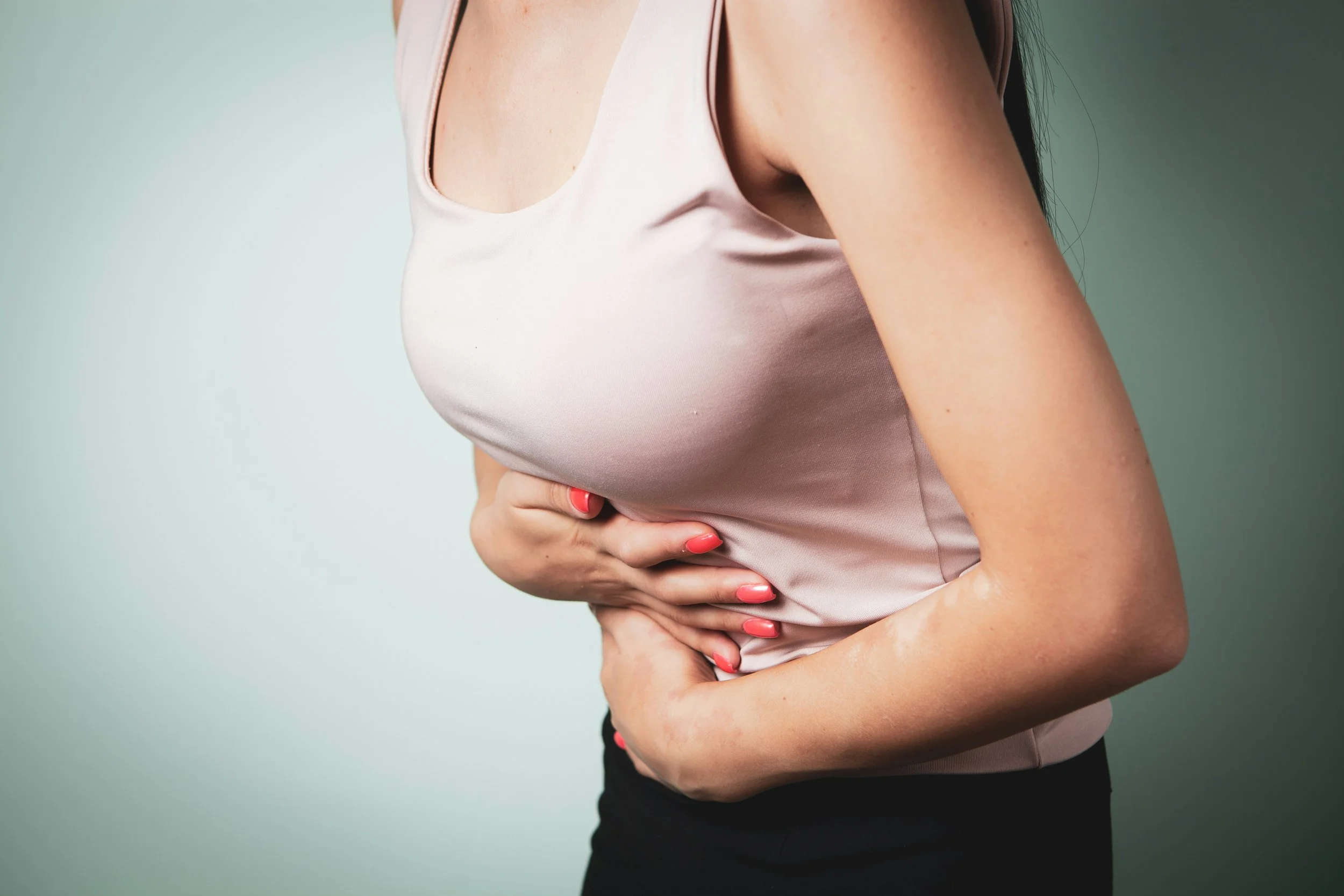
Gallstones are like tiny pebbles that form in the gallbladder, a small organ beneath the liver. These stones can vary in size and can cause a range of symptoms, from mild discomfort to severe pain. Understanding the symptoms and causes of gallstones is crucial for supporting management and preventing this condition.
What are Gallstones?
Gallstones are solid particles that form in the gallbladder. The gallbladder is responsible for storing bile, a fluid produced by the liver to aid in the digestion of fats. When the components of bile, such as cholesterol, bile salts, and bilirubin, become imbalanced, they can crystallize and form stones.
Symptoms of Gallstones
Gallstones can cause a variety of symptoms, depending on their size and location. Some common symptoms include:
Abdominal Pain: One of the most common symptoms of gallstones is sudden and intense pain in the upper right abdomen. This pain may radiate to the back or shoulder blade and can last for several hours.
Nausea and Vomiting: Gallstones can cause nausea and vomiting, especially after eating a fatty meal.
Jaundice: If a gallstone blocks the bile duct, it can lead to jaundice, a condition characterized by yellowing of the skin and eyes.
Fever: In some cases, gallstones can cause inflammation of the gallbladder, leading to fever and chills.
Changes in Stool Color: Gallstones can also affect the color of your stool, making it lighter in color than usual.
Causes of Gallstones
Several factors can contribute to the formation of gallstones. Understanding these causes can help in preventing their development. Some common causes include:
Excess Cholesterol: One of the primary components of gallstones is cholesterol. When there is an excess of cholesterol in the bile, it can crystallize and form stones.
Bile Imbalance: Bile is composed of bile salts, cholesterol, and bilirubin. When these components are not balanced properly, they can form gallstones.
Obesity: Being overweight or obese is a significant risk factor for gallstones. Excess body weight can increase cholesterol levels in the bile and decrease gallbladder function.
Rapid Weight Loss: Crash diets or rapid weight loss can increase the risk of gallstones. When the body loses weight too quickly, it can cause the liver to secrete extra cholesterol into the bile, leading to stone formation.
Poor Diet: A diet high in fat and low in fiber can contribute to the formation of gallstones. Consuming too much cholesterol and not enough fiber can disrupt the balance of bile components.
Genetics: Gallstones can run in families, suggesting a genetic predisposition to the condition. If you have a family history of gallstones, you may be at a higher risk of developing them yourself.
Certain Medical Conditions: Certain medical conditions, such as diabetes, liver disease, and certain blood disorders, can increase the risk of gallstones.
Diagnosis and Treatment
If you experience symptoms of gallstones, it is essential to see a healthcare professional for an accurate diagnosis. Your doctor may perform a physical examination and order tests such as an ultrasound or blood test to confirm the presence of gallstones.
Treatment of Gallstone
Treatment for gallstones depends on the severity of symptoms and the size of the stones. In many cases, gallstones may not require treatment if they are not causing any symptoms. However, if you experience severe pain or complications, your doctor may recommend:
1. Medications
Certain medications, such as ursodeoxycholic acid (ursodiol) or chenodeoxycholic acid, may be prescribed to help dissolve cholesterol gallstones. These medications work by altering the composition of bile, making it less likely to form stones.
However, it's important to note that these medications are not effective for all types of gallstones and may take several months or even years to achieve results. Additionally, they may not be suitable for individuals with certain medical conditions or who are pregnant.
2. Surgery (Cholecystectomy)
Surgery to remove the gallbladder, known as cholecystectomy, is the most common and effective treatment for gallstones, especially for those experiencing severe symptoms or complications. This procedure is typically performed laparoscopically, using small incisions and a camera to guide the surgeon.
Laparoscopic cholecystectomy is minimally invasive, resulting in less pain, shorter recovery time, and fewer complications compared to traditional open surgery.
During cholecystectomy, the gallbladder is carefully detached from the liver and bile ducts and then removed from the body.
Since the gallbladder is not an essential organ, its removal does not typically cause any long-term health problems. Most people can live a normal life without a gallbladder, as bile continues to flow from the liver directly into the small intestine.
3. Lifestyle Changes
Making changes to your diet and lifestyle can help prevent gallstones from forming or recurring, as well as alleviate symptoms. Some recommendations include:
Eating a balanced diet rich in fruits, vegetables, whole grains, and lean proteins, while limiting saturated and trans fats, refined sugars, and carbohydrates.
Increasing fiber intake, which can help regulate digestion and prevent constipation, a risk factor for gallstone formation.
Maintaining a healthy weight through regular exercise and portion control, as obesity is a significant risk factor for gallstones.
Avoiding rapid weight loss or crash diets, as these can increase the risk of gallstone formation by causing the liver to release excess cholesterol into the bile.
Staying hydrated by drinking plenty of water, as dehydration can lead to concentrated bile and increased risk of gallstones.
It's important to note that while lifestyle changes can help prevent gallstones, they may not be effective for everyone, especially those with underlying medical conditions or genetic predispositions. Therefore, it's essential to consult with a healthcare professional for personalized recommendations and management strategies.
In summary, the treatment options for gallstones vary depending on individual circumstances, including the severity of symptoms and the size of the stones. While medications and lifestyle changes may be sufficient for some individuals, surgery may be necessary for others, particularly those experiencing severe pain or complications. It's important to discuss all available treatment options with a healthcare provider to determine the most appropriate course of action for managing gallstones effectively.
Prevention of Gallstones
While some risk factors for gallstones, such as genetics, cannot be changed, there are steps you can take to reduce your risk:
Maintain a Healthy Weight: If you are overweight or obese, losing weight gradually and maintaining a healthy weight can reduce your risk of gallstones.
Eat a Balanced Diet: Aim to eat a diet rich in fruits, vegetables, whole grains, and lean proteins. Limit your intake of saturated and trans fats, as well as refined sugars and carbohydrates.
Stay Hydrated: Drinking plenty of water can help keep bile flowing smoothly and prevent the formation of gallstones.
Exercise Regularly: Regular physical activity can help maintain a healthy weight and prevent gallstones.
Avoid Crash Diets: Rapid weight loss can increase the risk of gallstones. Instead of crash dieting, focus on making gradual, sustainable changes to your diet and lifestyle.
Frequently Asked Questions About Gallstones
Below are answers to some of the most frequently asked questions on gallstones.
1. What are the main symptoms of gallstones?
The main symptoms of gallstones include sudden and intense pain in the upper right abdomen, nausea and vomiting, jaundice (yellowing of the skin and eyes), fever, and changes in stool color. However, some people with gallstones may not experience any symptoms at all.
2. What causes gallstones to form?
Gallstones form when the components of bile, such as cholesterol, bile salts, and bilirubin, become imbalanced and form solid particles in the gallbladder. Common causes of gallstones include excess cholesterol, bile imbalance, obesity, rapid weight loss, poor diet, genetics, and certain medical conditions.
3. How are gallstones diagnosed?
Gallstones are typically diagnosed through a combination of physical examination and imaging tests. Your doctor may perform an ultrasound, CT scan, or MRI to visualize the gallbladder and identify any stones. Blood tests may also be conducted to check for signs of inflammation or liver dysfunction.
4. What are the treatment options for gallstones?
Treatment for gallstones depends on the severity of symptoms and the size of the stones. In many cases, gallstones may not require treatment if they are not causing any symptoms. However, if symptoms are severe or complications arise, treatment options may include medications to dissolve the stones, surgery to remove the gallbladder (cholecystectomy), or lifestyle changes to prevent recurrence.
5. Can gallstones be prevented?
While some risk factors for gallstones, such as genetics, cannot be changed, there are steps you can take to reduce your risk. Maintaining a healthy weight, eating a balanced diet high in fiber and low in fat, staying hydrated, exercising regularly, and avoiding crash diets can all help prevent gallstones from forming.
6. Are there any complications associated with gallstones?
In some cases, gallstones can lead to complications such as inflammation of the gallbladder (cholecystitis), blockage of the bile ducts (choledocholithiasis), or infection of the bile ducts (cholangitis). These complications can cause severe pain, infection, and even life-threatening conditions if left untreated. Prompt medical attention is necessary if you experience symptoms of gallstones or complications.
Summing Up: Gallstones Symptoms and Causes
Gallstones are a common condition that can cause a range of symptoms, from mild discomfort to severe pain. Understanding the symptoms and causes of gallstones is essential for early diagnosis and treatment. By making lifestyle changes and managing risk factors, you can reduce your risk of developing gallstones and prevent complications. If you experience symptoms of gallstones, it is crucial to see a healthcare professional for an accurate diagnosis and appropriate treatment.